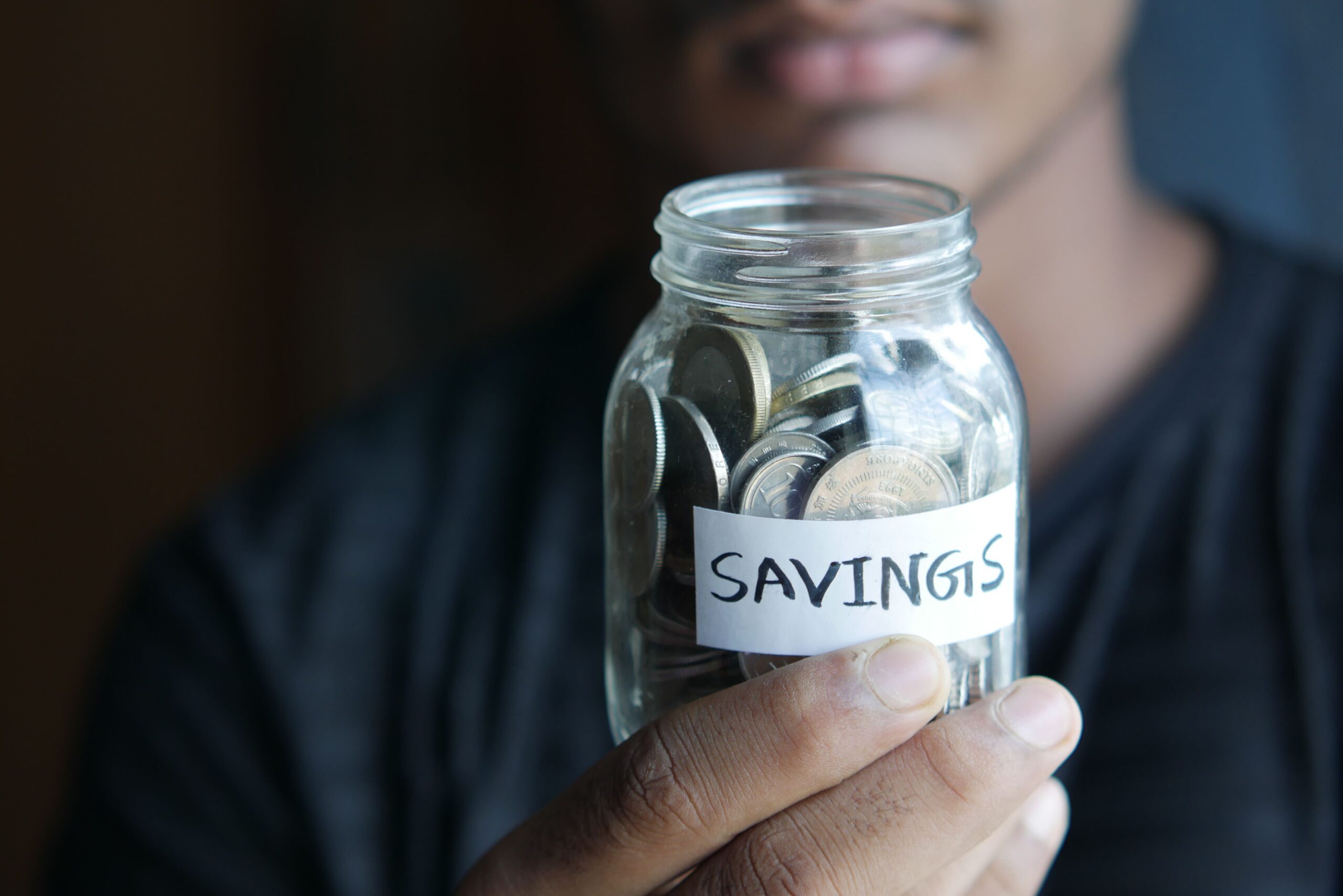
You do not need a raise to get out of debt. You need frugal living tips to escape debt that move real dollars toward your balance every month, not vague willpower. The average American carried $6,659 in credit card debt in 2026, according to Experian’s latest credit card data, with APRs near 22 percent.
If that number sounds familiar, the fix is a plan, not more shame. These tips shrink everyday expenses so more of every paycheck attacks what you owe, whether that’s a $3,000 card or $40,000 spread across four accounts. Here are 21 moves, ranked from quick wins to bigger changes.
Quick answer: the fastest way out of debt combines three moves. Cut three to five specific expense categories hard. Automate a fixed payment above your minimums. Then pick a payoff method, snowball or avalanche, and stick with it for a year or more. Small cuts alone rarely work. Stacked together, they do.
Why Frugal Living and Debt Payoff Have to Work Together
Cutting expenses without a payoff plan just frees up cash to drift back into spending. A payoff plan without lower expenses moves too slowly to feel real. You need both running at the same time. Once you accept that, these 21 tips stop feeling like punishment and start feeling like leverage.
21 Frugal Living Tips to Escape the Debt Cycle
1. Run a real numbers audit
List every debt with its exact balance, interest rate, and minimum payment. Most people avoid this step because it’s uncomfortable, but you cannot prioritize what you haven’t measured. Ten minutes with a spreadsheet beats months of guessing.
2. Choose a payoff method and commit to it
The debt snowball and debt avalanche methods both work, but they solve different problems. Snowball pays smallest balances first for quick psychological wins. Avalanche targets the highest interest rate first, which usually saves more money overall. Our guide to setting realistic debt payoff goals walks through picking between them.
3. Automate one fixed “debt payment” like a bill
Treat your extra debt payment the same way you treat rent. Set it to leave your account the day after payday, before you can spend it elsewhere. Automation removes the daily decision entirely.
4. Rebuild your grocery budget around a real meal plan
Groceries are one of the few categories you control almost completely. Plan five dinners a week around what’s on sale, batch cook two of them, and stop buying lunch out. Many households find $150 to $300 a month here alone.
5. Call your bill providers and negotiate
Insurance, internet, phone, and even some subscriptions are more negotiable than people assume. Call and ask directly for a lower rate or a retention discount. A single 15 minute call can shave $20 to $60 a month off recurring costs.
6. Cancel subscriptions you forgot you had
Pull up your last two bank statements and circle every recurring charge. Streaming services, apps, and box subscriptions quietly add up to $50 or more a month for a typical household. Cancel anything you haven’t used in 30 days.
7. Run a structured no-spend week
Pick seven days and spend only on groceries, gas, and bills already due. Our no-spend challenge guide has specific rules that make this easier to finish than it sounds. Send every dollar you don’t spend straight to debt.
8. Sell what you’re not using
Most homes have $500 to $1,000 worth of items sitting unused: electronics, tools, clothes, furniture. List five items this week on a marketplace app and put the proceeds straight toward your smallest balance.
9. Cook at home almost exclusively for 90 days
Restaurant and delivery spending is often the single biggest leak in a debt payoff plan. Commit to home cooking for three months and track exactly what you save. Most people are surprised by the number.
10. Use cash envelopes for your variable spending
Groceries, entertainment, and personal spending are where budgets quietly fail. Withdraw cash for these categories and stop when the envelope is empty. It’s an old-fashioned system, but it works because it makes overspending physically visible.
11. Redirect every windfall straight to debt
Tax refunds, work bonuses, birthday cash, and rebate checks should go to your balance before you decide what else to do with them. A single $1,500 refund applied to a 22 percent APR card can save real money in interest.
12. Consider consolidating high-interest debt where it makes sense
A lower-rate personal loan or balance transfer card can cut your effective interest rate significantly. This only works if you stop adding new charges to the old cards. Consolidation without a spending change just resets the clock.
13. Ask creditors directly for a lower APR
This tip gets skipped constantly because it feels awkward. Call your card issuer, mention your payment history, and ask for a rate reduction. It doesn’t always work, but when it does, it’s free money.
14. Replace paid entertainment with free alternatives
Libraries now lend ebooks, audiobooks, and even streaming credits in many cities. Swap one paid subscription for a library card this month and redirect that $15 to your balance.
15. Do it yourself where you reasonably can
Haircuts, cleaning products, basic car maintenance, and homemade gifts are all cheaper made or done yourself. Pick two categories where you’re currently paying for convenience and learn to handle them.
16. Buy secondhand before buying new
Clothing, furniture, kids’ gear, and tools are often available at 50 to 80 percent off retail secondhand. Make it a rule to check resale first for anything over $30.
17. Track your net worth, not just your debt total
Watching only your debt shrink can feel demoralizing on slow months. Track savings plus debt together and you’ll see real progress even when payoff feels stuck. The habits of people who paid off debt fast almost always include this kind of tracking.
18. Build a small starter emergency fund first
A $500 to $1,000 cushion keeps a flat tire or vet bill from landing back on a credit card and restarting the cycle. Our breakdown of emergency funds versus sinking funds explains how to size this correctly.
19. Find an accountability partner or online community
People who track progress publicly, even anonymously in a forum or with one trusted friend, tend to stick with a payoff plan longer. Debt payoff is a marathon, and marathons are easier with company.
20. Guard against lifestyle creep as your debt shrinks
The moment a card gets paid off is exactly when it’s tempting to loosen up spending. Redirect that freed-up payment to the next debt instead of your lifestyle, at least until you’re fully clear.
21. Celebrate milestones without spending much
Mark every $1,000 paid off with something free or nearly free: a hike, a homemade dinner, a night in with a rented movie. Motivation matters as much as math over a multi-year payoff.
Frugal Living Tips to Escape Debt: A Quick Comparison
Not every tip fits every budget. Here’s how the biggest levers compare on effort and typical monthly impact.
| Strategy | Typical Monthly Impact | Effort Level | Best For |
|---|---|---|---|
| Meal planning and cutting takeout | $150–$300 | Medium | Almost everyone |
| Cancelling unused subscriptions | $20–$80 | Low | Quick wins |
| Negotiating bills and rates | $30–$100 | Low | Anyone with recurring bills |
| Selling unused items | $100–$300 one-time | Medium | Fast debt snowball starts |
| Debt consolidation or balance transfer | Varies widely | High | Good credit, high-interest cards |
Frequently Asked Questions
Should I save money or pay off debt first?
Build a small starter emergency fund of $500 to $1,000 first, then direct extra cash to debt. This prevents a surprise expense from landing back on a credit card.
How much of my income should go toward debt payoff?
Many planners suggest 15 to 20 percent of take-home pay when possible, though any consistent amount above your minimums makes progress. Consistency matters more than the exact percentage.
Does frugal living actually speed up debt payoff?
Yes, when the savings are redirected to debt rather than absorbed into other spending. Cutting $300 a month and applying it to a card at 22 percent APR can shave years off a payoff timeline.
What is the fastest way to pay off $10,000 in credit card debt?
Combine a rate reduction request, a consolidation option if your credit qualifies, and at least $400 to $500 a month toward the balance. At that pace, most people clear $10,000 in under two years.
Is the debt snowball or debt avalanche method better?
Avalanche usually saves more in interest since it targets the highest rate first. Snowball tends to keep people motivated longer because of early wins. Pick the one you’re most likely to finish.
The Bottom Line
Frugal living tips to escape debt only work when you pair the cutting with a real plan for where the savings go. Pick five tips from this list, not all 21, and run them hard for 90 days. Then add more once the first five feel automatic. Debt did not appear overnight, and it will not disappear overnight either, but a stacked plan like this moves faster than most people expect.