You don’t need a bank loan and a spare $300,000 to open your own place. People start a restaurant with no money in the bank all the time, using formats that cost a fraction of a traditional build-out. The trick is choosing the right entry point first.
Food trucks, pop-ups, and shared kitchens all get you cooking for paying customers long before you’d qualify for a commercial lease. Below are 14 specific paths, plus real numbers on financing, equipment, and licensing, so you can pick the one that fits your budget.
The Realistic Way to Start a Restaurant on a Tight Budget
The short version: a food truck, a pop-up in someone else’s kitchen, or a delivery-only ghost kitchen gets you cooking for real customers fast. Each one costs a fraction of a full sit-down build-out. None of them require a ten-year lease before you know if your concept actually sells. Start small, prove the idea works, then grow into the space you actually want.
Cheapest Restaurant Formats, Compared
Every format trades something. A food truck costs more upfront than a pop-up but lets you sell every day. A ghost kitchen skips the dining room entirely, which cuts your rent but limits you to delivery and pickup. Here’s how the main options stack up.
| Format | Typical Startup Cost | Time to Launch | Best For |
|---|---|---|---|
| Pop-up or supper club | $500 to $5,000 per event | Days to a few weeks | Testing a menu before spending real money |
| Catering-first | $2,000 to $10,000 | Around a month | Proving demand before signing any lease |
| Commissary or shared kitchen | Hourly or monthly rental, often under $1,000 a month | 1 to 2 weeks | Meal prep, delivery, and cottage food sales |
| Ghost kitchen (delivery-only) | $5,000 to $25,000 | 1 to 3 months | Selling through delivery apps with no dining room |
| Used food truck or trailer | $20,000 to $80,000 | 2 to 4 months | Daily service across multiple locations |
| Full-service brick-and-mortar | Well into six figures | 6 to 12 months | Established concepts with investors or savings |
14 Low-Cost Ways to Open Your Own Restaurant
1. Start With a Food Truck Instead of a Lease
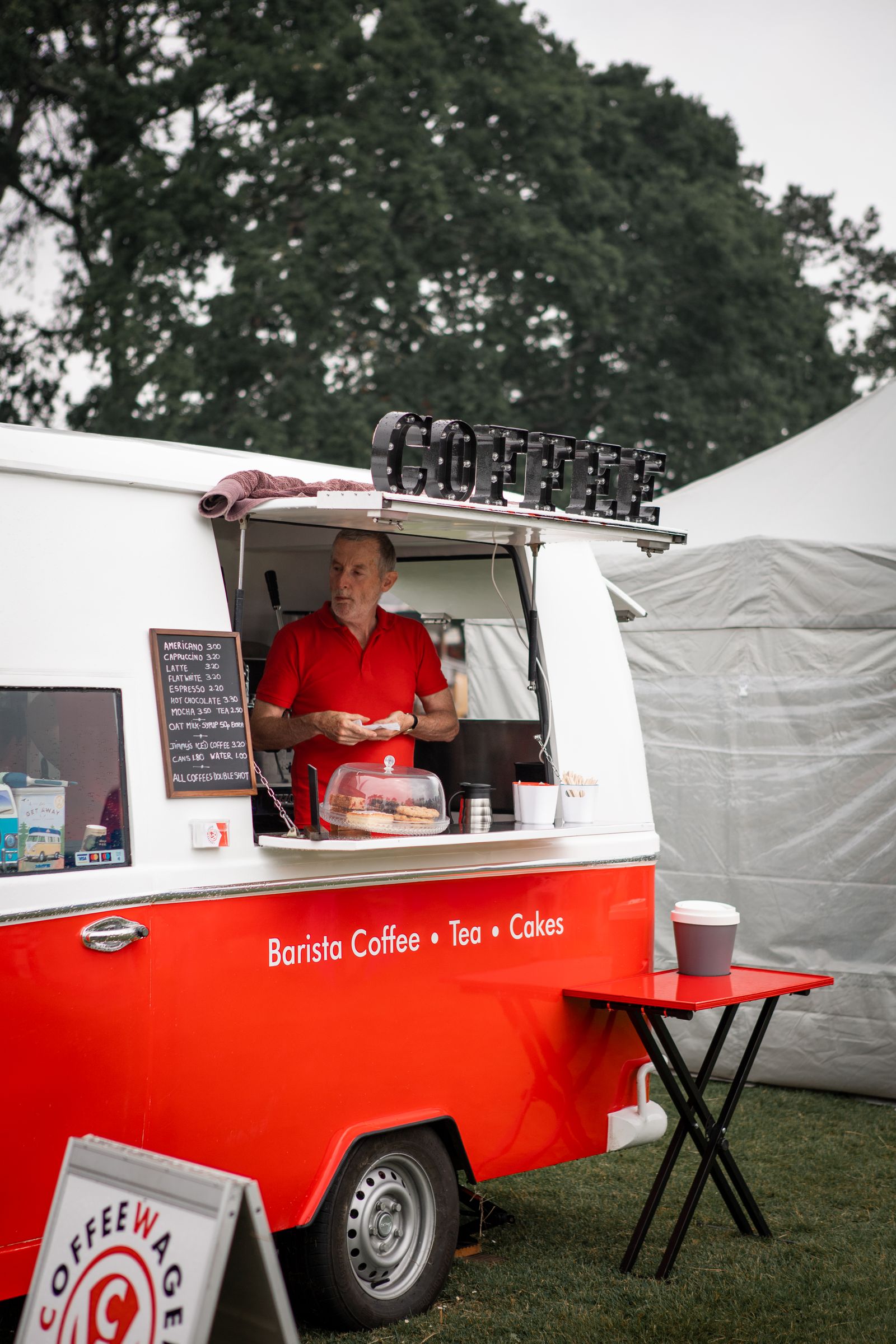
A used truck or trailer costs a fraction of a dining room build-out. And you can move it to wherever the crowds already are. Buy secondhand from a restaurant equipment auction rather than ordering new, and you’ll shave tens of thousands off the price. You skip years of rent and get real sales data within weeks, not months.
2. Run Pop-Ups Before You Sign Anything
Rent a bar’s empty Tuesday night, a coffee shop after close, or a friend’s backyard, and serve a set menu to a small crowd. You’ll learn what sells, what your real food cost looks like, and whether people will pay your prices. Several successful restaurants started as a monthly pop-up that outgrew its space, not the other way around.
3. Rent a Commissary Kitchen for Prep and Delivery
Shared commercial kitchens let you cook legally without owning any equipment, often for a few hundred dollars a month. You get walk-in coolers, commercial ovens, and health department approval already built in. It’s the fastest legal way to start selling food you cook, rather than food you assemble in your home kitchen.
4. Go the Ghost Kitchen Route
A delivery-only kitchen with no dining room cuts your biggest expense, the storefront, almost entirely. You still need a commercial kitchen space and the delivery app fees eat into margin, but the barrier to entry drops sharply. This model works best for a menu that travels well in a box.
5. Build a Following Through Catering First
Weddings, office lunches, and small parties pay upfront and don’t require a lease at all. Catering also teaches you to cook at volume, price a menu correctly, and manage a client relationship, three skills every restaurant owner needs anyway. By the time you’re ready for a location, you’ll already have paying regulars.
6. Buy Secondhand Equipment Instead of New
Restaurant auctions, closing-sale liquidations, and resale marketplaces sell commercial ranges and refrigeration for a fraction of retail. A used walk-in cooler that would cost thousands new often sells for a few hundred dollars at a closure sale. Inspect it carefully, but don’t assume new equipment is the only safe option.
7. Negotiate a Percentage-Rent Lease
Some landlords, especially in food halls and struggling strip malls, will trade a lower base rent for a cut of your sales instead. This keeps your fixed costs low while your restaurant is still finding its footing. It’s a harder conversation to have than signing a standard lease, but it’s worth asking for directly.
8. Take Over Someone Else’s Lease and Fixtures
A closing restaurant often needs to unload its lease, hoods, walk-ins, and furniture fast, sometimes for pennies on the dollar. Ask your local restaurant supply rep or commercial broker who’s closing nearby. You inherit a working kitchen instead of building one from bare concrete, which can cut your opening costs dramatically.
9. Presell Memberships, Gift Cards, or a Founder’s Dinner
Selling gift cards or “founding member” dinners before you open puts cash in your account before you spend a dollar on rent. A hundred people paying $50 for early access funds real equipment. Just be honest about your timeline. Nothing damages trust faster than a founder’s dinner that never happens.
10. Apply for an SBA Microloan
The Small Business Administration’s microloan program lends up to $50,000 to new small businesses, including food businesses, with an average loan size around $13,000. That’s enough to cover a commissary deposit, a used prep table, and your first round of licensing, without touching a traditional bank loan.
11. Crowdfund the Opening
A crowdfunding campaign works especially well if you already have a following from pop-ups or catering. Offer backers a free meal, a plaque on the wall, or first dibs on reservations once you open. It’s slower than a loan, but it costs you nothing if the campaign doesn’t hit its goal.
12. Keep the Menu Small on Purpose
Every item on your menu adds inventory, equipment, and labor cost. A tight menu of eight to ten dishes lets you buy less, waste less, and train new staff in a day instead of a week. Expand the menu once your sales numbers tell you it’s worth the added cost.
13. Handle Your Own Marketing Before Hiring Anyone
A phone, good lighting, and a consistent posting habit will out-earn a marketing agency in your first year. Document the food, the process, and the people behind it, and let regulars do the sharing for you. Want to practice this skill before you open? Our guide to low-cost business ideas you can start today covers several ways to build an audience for almost nothing.
14. Check Your Local Licensing Costs Before You Spend on Anything Else
Restaurants are commonly regulated at the state and local level rather than federally, and requirements vary widely by city and county. The SBA’s guide to business licenses and permits recommends checking your state and local requirements before you spend a dollar on anything else. A health permit or food handler’s license can take weeks to process. Budget for these fees first. They’re non-negotiable, unlike almost everything else on this list.
A Few More Ways to Fund the Leap
If a full restaurant still feels out of reach right now, that’s a reasonable read on the math, not a failure of ambition. Plenty of people build toward it gradually, testing food ideas alongside other income streams first. Our roundup of business ideas that cost nothing to start is a solid place to build savings and confidence before you commit to a lease. Curious how a food business stacks up against other paths, dollar for dollar? Our side hustles ranked by startup cost breaks that down directly.
Frequently Asked Questions About Starting a Restaurant With No Money
Can you actually start a restaurant with no money at all?
Not with zero dollars, but you can start one with far less than the six figures a traditional build-out requires. A pop-up, catering gig, or commissary kitchen rental can get you cooking for paying customers for a few hundred to a few thousand dollars.
What’s the cheapest way to start a restaurant business?
Pop-ups and catering are usually the cheapest entry points, since both let you rent someone else’s kitchen and skip a lease entirely. A single pop-up can cost as little as $500 in ingredients and a rented space for a night.
Can I get a loan to start a restaurant with no money saved?
Yes. The SBA microloan program lends up to $50,000 to new small businesses. Some community lenders and nonprofit loan funds also specialize in food businesses with little collateral.
Do I need a commercial kitchen to legally sell food?
In most states, yes, for anything beyond limited cottage food sales. A rented commissary kitchen satisfies health department requirements without the cost of building your own.
Is a food truck cheaper than opening a restaurant location?
Usually, yes. A used food truck typically costs a fraction of a full dining room build-out. It also lets you move to wherever your customers already are, instead of waiting for them to find you.
The Bottom Line
Nobody hands out a fully staffed dining room for free, but you have more entry points than you probably think. Pick the format that matches the cash you actually have today, not the one that matches the dream in your head. Prove the concept, build a following, and let the bigger space come later, funded by customers who already know your food is worth the wait.